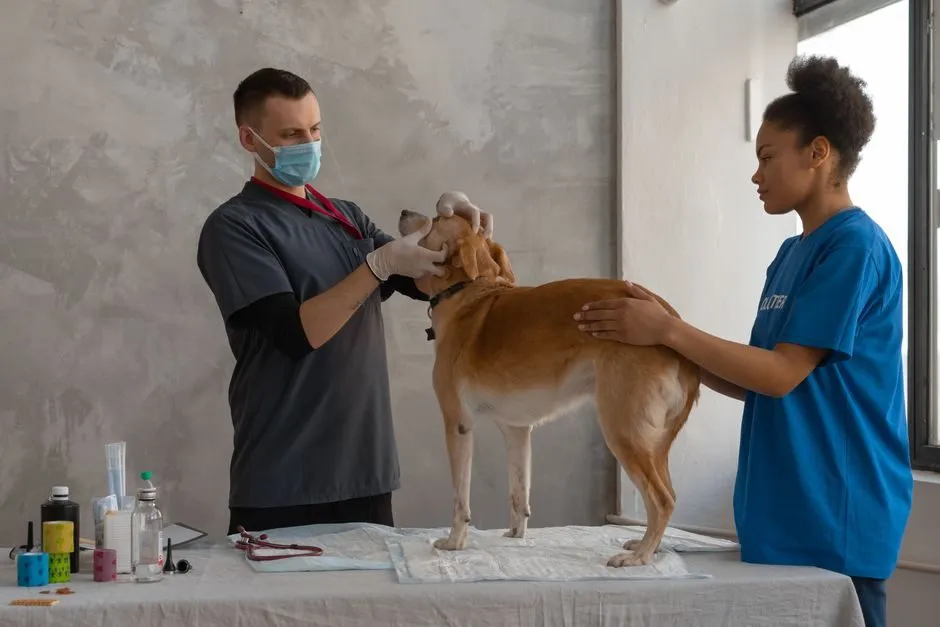
Are you concerned about hidden intestinal parasites threatening your dog’s health? Even the healthiest-looking dogs in Eugene and surrounding communities can harbor parasites with no obvious symptoms. At Four Corners Veterinary Clinic, we know that a routine fecal test for dogs is one of the most important tools for detecting these silent threats early. Whether your dog visits the park daily or spends most of their time indoors, yearly fecal screenings are a cornerstone of preventive veterinary care. In this blog, we will explore why these tests matter, what to expect during your dog’s visit to our clinic at 2777 W 11th Ave, Eugene, OR 97402, and how you can help keep both your dog and your family safe. Our team of veterinarians is dedicated to guiding you through every step, from understanding the risks of parasites to knowing when to schedule your next wellness screening.
If you’re wondering how a fecal test for dogs fits into your dog’s annual health plan, keep reading to learn why this simple test is essential, especially here in the Pacific Northwest.
Recognizing the Need: When Does Your Dog Need a Fecal Test?
Many pet owners in Eugene are surprised to learn that intestinal parasites can be present without causing any obvious illness. Dogs may look and act perfectly healthy while still carrying parasites like roundworms, hookworms, whipworms, or Giardia. However, some subtle signs may indicate a problem. Symptoms include diarrhea (sometimes with blood or mucus), unexplained weight loss, vomiting, scooting, or a dull, dry coat. Puppies, seniors, and dogs with weakened immune systems are especially vulnerable to complications from parasites. Even if your dog seems perfectly normal, routine screening is recommended because parasites can shed eggs intermittently, making infections easy to miss without regular testing.
If you have recently adopted a dog, brought home a puppy, or noticed changes in your dog’s stool, appetite, or energy, it’s a good idea to discuss a fecal test with your veterinary team. Dogs that frequent dog parks, boarding facilities, or hiking trails in our area are at increased risk due to more frequent exposure to contaminated environments. But even dogs that rarely leave the backyard can pick up parasites from wildlife or contaminated soil.
Understanding Parasites: What Is a Fecal Test for Dogs and Why Does It Matter?
A fecal test for dogs is a laboratory analysis of a fresh stool sample, designed to detect microscopic parasite eggs, larvae, or protozoa. The test can identify common intestinal parasites that affect dogs in Eugene and surrounding communities, including roundworms, hookworms, whipworms, tapeworms, and Giardia. Some of these parasites are zoonotic, meaning they can spread from dogs to people, especially young children or immunocompromised adults. This makes regular screening important not only for your dog’s health but for your family’s safety as well.
Parasites thrive in the moist, temperate climate of the Willamette Valley. Eggs can survive in soil and water for months, and dogs can become infected by sniffing, licking, or ingesting contaminated material. Puppies are often born with parasites obtained from their mothers, while adult dogs can become reinfected throughout life. Because some parasites shed eggs only intermittently, a yearly fecal test increases the chances of detection and timely treatment.
At Four Corners Veterinary Clinic, we use advanced diagnostic techniques to accurately screen for these hidden threats. For more information about how our diagnostic laboratory services can help protect your dog, visit our website.
How Does a Fecal Test Work?
During your dog’s wellness visit, our veterinary professionals will ask you to bring a fresh stool sample from home (ideally collected within 12 hours of your appointment). If you are unable to collect a sample ahead of time, our team can assist during your visit. The sample is then examined under a microscope, often using a flotation or centrifugation technique to concentrate and identify parasite eggs or cysts. In some cases, additional tests such as antigen detection may be used to find infections that are difficult to spot with standard microscopy.
Annual fecal testing is recommended for all dogs, even those on regular parasite prevention. Some preventives do not cover every type of intestinal parasite, and resistance can occur, making regular screening a critical safety net.
Treatment and Next Steps: What Happens If Your Dog Tests Positive?
If your dog’s fecal test comes back positive, our veterinarians will develop a tailored treatment plan based on the specific parasite identified. Most intestinal parasites can be treated with prescription deworming medications, which may be given as tablets, liquids, or granules mixed with food. Treatment duration and follow-up testing depend on the type of parasite and the severity of the infection.
Our veterinary team will explain what to expect during treatment, including any temporary gastrointestinal changes as parasites are eliminated. We will also discuss steps to minimize reinfection, such as promptly picking up waste, cleaning bedding, and limiting exposure to contaminated areas when possible. For multi-pet households, it may be recommended to test and treat all pets at the same time, especially if one dog is found to have a contagious parasite.
If you have questions about your dog’s health or want to schedule a comprehensive physical exam alongside their fecal test, our comprehensive physical exams are designed to catch health issues early and keep your pet feeling their best.
Preventing Parasites at Home: Steps You Can Take
While yearly fecal testing is the gold standard for parasite detection, there are important measures you can take at home to reduce your dog’s risk of infection. Always pick up your dog’s stool promptly, both at home and in public spaces, to limit environmental contamination. Regularly clean food and water bowls, bedding, and toys to prevent the spread of parasite eggs. If your dog spends time in dog parks, on hiking trails, or in boarding facilities, maintaining a consistent parasite prevention program is essential. Your veterinarian can recommend the most effective preventives based on your dog’s lifestyle and health status.
Teaching children to wash their hands after playing outside or interacting with your dog further reduces the risk of zoonotic transmission. When introducing a new dog or puppy to your household, schedule a fecal test as part of their initial health check to protect your existing pets and family members.
Four Corners Veterinary Clinic also offers wellness plans that help keep your dog on track with routine screenings, vaccinations, and preventive care. Ask our team for details about how a wellness plan can simplify your dog’s health needs throughout the year.
When to Seek Veterinary Care: Signs That Warrant Immediate Attention
While many dogs with intestinal parasites show minimal signs, there are situations where prompt veterinary attention is needed. If your dog experiences persistent diarrhea, vomiting, blood in the stool, lethargy, significant weight loss, or a sudden change in appetite, contact our clinic as soon as possible. Puppies, senior dogs, and pets with compromised immune systems are at higher risk for serious complications from untreated parasites.
Do not attempt to treat suspected parasitic infections with over-the-counter products without veterinary guidance; these may be ineffective or even harmful. Timely diagnosis and targeted treatment by a veterinary professional are key to a safe recovery.
If you ever have concerns about your dog’s digestive health or notice changes in their behavior or stool, our veterinary team at Four Corners Veterinary Clinic is here to help. Early intervention can make all the difference in your dog’s comfort and long-term health.
Keeping Your Dog—and Your Family—Healthy Year-Round
A yearly fecal test for dogs is a simple yet powerful way to detect hidden parasites, protect your household, and ensure your dog enjoys a full and active life. By making fecal screening part of your annual veterinary routine, you are investing in your dog’s well-being and the safety of your entire family. Our veterinarians are committed to providing compassionate, comprehensive care for every dog that comes through our doors.
When you are searching for a trusted “veterinarian near me” in Eugene, remember that Four Corners Veterinary Clinic is here to support your dog’s health every step of the way. To schedule your dog’s next fecal test or learn more about our preventive care options, call (541) 688-5521 or visit us at 2777 W 11th Ave, Eugene, OR 97402. You can also explore our wellness plans to find the right preventive program for your dog. Let our team of veterinarians help your dog stay parasite-free and healthy all year long—book your fecal test for dogs today.