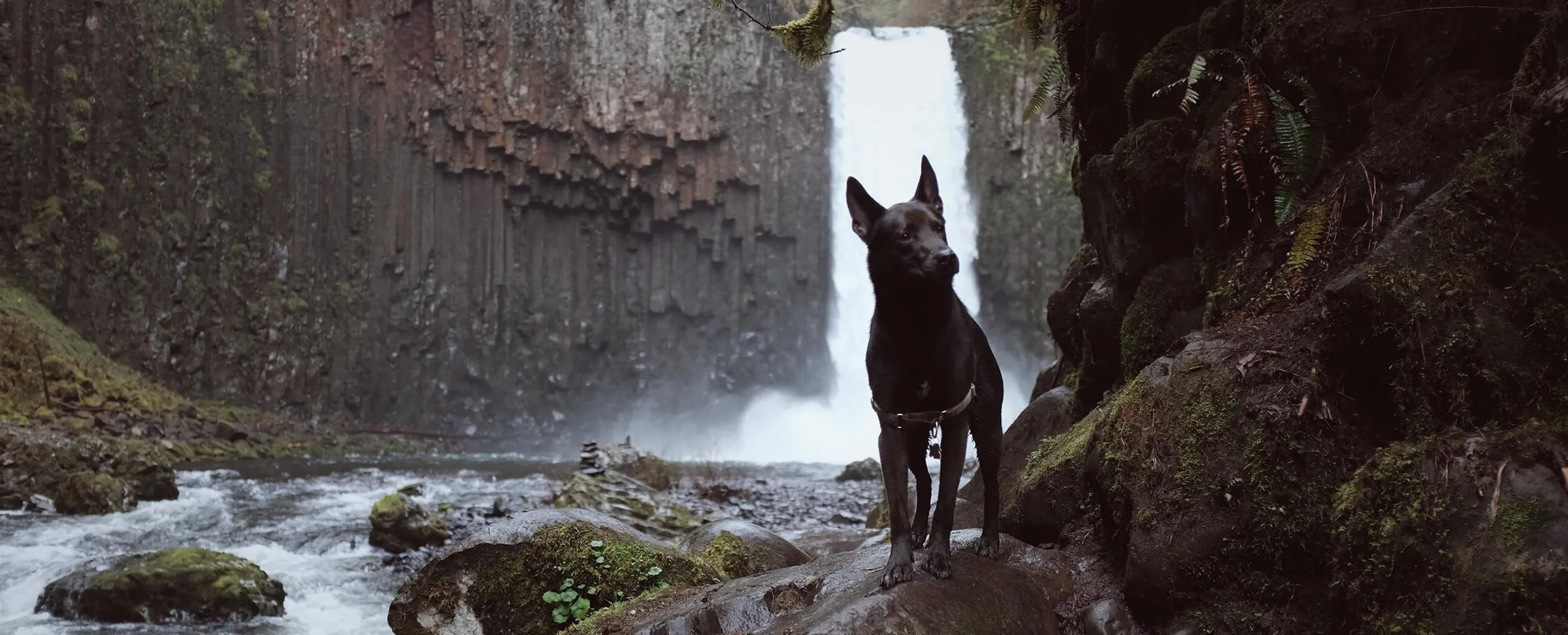
Once the fall rains return to the Willamette Valley, Eugene dogs spend months splashing through puddles, wading in creeks and sniffing along muddy trails. That’s part of the fun of living here, and also why every Eugene dog owner should know about leptospirosis.
Leptospirosis, or “lepto,” is a bacterial infection that can damage a dog’s kidneys and liver, and it thrives in exactly the warm-to-mild, wet conditions we get for much of the year. At Four Corners Veterinary Clinic, we’ve cared for pets in Eugene since the 1950s. Here’s what you need to know to protect your dog this season.
What Is Leptospirosis?
Leptospirosis is caused by Leptospira bacteria. Many wild and domestic animals can carry them, including rats, raccoons, skunks, opossums, deer and livestock. Infected animals shed the bacteria in their urine, and the bacteria can survive for weeks or longer in standing water and wet soil.
Dogs usually become infected when contaminated water or mud touches their mouth, eyes or nose, or gets into a cut or scrape. Drinking from puddles and ponds is a common route. Dogs can also be exposed through contact with an infected animal’s urine.
Why Eugene Dogs Are at Risk
Our long rainy season creates plenty of the places where lepto bacteria survive:
- Puddles on neighborhood sidewalks and in parks
- Slow-moving streams and drainage ditches like Amazon Creek
- Marshy areas and ponds along the river and around Fern Ridge
- Muddy trailheads where wildlife travel
It’s not just a rural or “outdoor dog” disease. Rats and raccoons live in the city, and urban dogs who only walk around the neighborhood can be exposed. Updated guidance from the American Veterinary Medical Association states that all dogs are at risk of leptospirosis, regardless of age, breed, sex, geographic location, lifestyle or season.[1]
Signs of Leptospirosis in Dogs
Lepto can look like many other illnesses, which makes it easy to miss. Some infected dogs show no signs, some have a mild illness and recover, and others become severely ill.[1] Watch for:
- Fever, shivering or muscle tenderness
- Lethargy and reluctance to move
- Loss of appetite
- Vomiting or diarrhea
- Increased thirst and urination, or much less urine
- Yellow gums, skin or eyes (jaundice)
- Trouble breathing
If your dog shows any of these signs, especially after time around water or wildlife, call us. Let us know where your dog has been, because exposure history helps us decide which tests to run.
Diagnosis and Treatment
Leptospirosis is diagnosed with a combination of a physical exam, bloodwork, urinalysis and specific lepto tests. Bloodwork from our diagnostic laboratory shows how the kidneys and liver are working, which guides treatment.
Lepto is treated with antibiotics, but many dogs need hospitalization and supportive care, such as IV fluids, to help the kidneys and liver recover.[1] Dogs treated early have the best chance of a full recovery, while severe cases can cause lasting kidney damage or be fatal.
Lepto Can Spread to People
Leptospirosis is a zoonotic disease, which means people can catch it too. The risk of getting lepto from a dog is low, but if your dog is diagnosed, the AVMA recommends:[1]
- Washing your hands after handling your dog
- Avoiding contact with your dog’s urine
- Wearing gloves and disinfecting any area where your dog urinated indoors
Vaccinating your dog also makes it less likely to spread the infection to other animals.[1]
How to Protect Your Dog
Vaccinate
Vaccination is the most effective protection. The AVMA recommends an initial series of two shots starting at around 12 weeks of age, followed by yearly boosters.[1] If your adult dog has never had the lepto vaccine, it will need the two-dose starting series.
Veterinary organizations have increasingly urged lepto vaccination for all dogs, including small breeds and city dogs.[2] We can review your dog’s records and add lepto to their vaccination plan.
Reduce Exposure
- Don’t let your dog drink from puddles, ponds or slow-moving streams. Carry fresh water on walks.
- Keep your dog away from wildlife and rodents, and secure garbage and pet food that attract them.
- Rinse muddy paws and legs after walks.
- Stay on drier paths when you can during the wettest months.
Keep Up With Annual Visits
A yearly physical exam is the easiest time to keep lepto boosters current, along with your dog’s other vaccines and parasite prevention. Our in-house wellness plans include unlimited exams, which makes it easy to come in any time something seems off.
Common Lepto Myths We Hear
“My dog doesn’t go to farms, so it doesn’t need the vaccine.” Farm animals are only one source. Rats, raccoons and opossums live throughout Eugene, and their urine ends up in yards, parks and street puddles. A dog that never leaves town can still be exposed.
“Lepto is a big-dog problem.” Small dogs are just as susceptible to the bacteria. They may also be less likely to be vaccinated, because their owners assume they’re low-risk. The AVMA’s guidance is clear that breed and size don’t protect a dog.[1]
“It’s only a risk when it’s raining.” Wet months raise the risk in the Willamette Valley, but lepto bacteria can survive in damp soil, creeks and irrigated lawns long after the rain stops. That’s why the AVMA says season doesn’t protect a dog either.[1]
“My dog had the vaccine once, so it’s covered.” Protection from the lepto vaccine doesn’t last for life. Dogs need the full two-dose starting series and then a booster every year to stay protected.[1] If your dog has missed a booster, we may recommend restarting the series.
“The vaccine causes too many reactions.” If your dog has ever reacted to a vaccine, tell us. We’ll go over your dog’s history and plan the visit with your dog’s safety in mind.
Protect Your Dog This Rainy Season
Four Corners Veterinary Clinic is a locally owned clinic at 2777 W 11th Ave, serving dogs, cats and pocket pets from Eugene, West Eugene, Churchill, North Eugene, Junction City and Florence. Call (541) 688-5521 or request an appointment to ask about the leptospirosis vaccine.