When your dog, cat, or pocket pet needs surgery, it is natural to feel anxious and have many questions about what will happen before, during, and after the procedure. At Four Corners Veterinary Clinic, located at 2777 W 11th Ave, Eugene, OR 97402, we understand how important it is for pet owners to be informed and comfortable with every step of veterinary surgery for pets. This guide will walk you through common reasons pets need surgery, what the process involves, how our team of veterinarians keeps your companion safe, and what to expect as your pet recovers at home. Whether you are in Eugene or one of the surrounding communities, our full-service veterinary clinic is here to support you and your pet through every phase of care. For those looking for more details on surgical options, you can find a comprehensive overview of veterinary surgery services for pets on our website.
Recognizing When Veterinary Surgery May Be Needed
Wondering if your pet might need surgery can be stressful, especially when symptoms are subtle or confusing. Some of the most common signs that may indicate surgery is necessary include persistent limping or lameness, swelling or lumps under the skin, difficulty eating or chewing, ongoing pain despite other treatments, or sudden changes in behavior such as reluctance to move or play. For example, a dog that suddenly starts carrying a back leg, or a cat that hides and refuses food, may be experiencing discomfort from an injury or internal issue. In some cases, your veterinarian may discover a problem during a routine wellness exam, such as a loose tooth, a mass, or an issue requiring further exploration.
It is also important to remember that certain surgical procedures, like spay and neuter, are recommended for preventive health reasons even if your pet seems perfectly healthy. If you notice any unusual symptoms, or if your veterinarian has discussed surgery as a possible option during an exam, it is wise to ask questions and learn what the process will involve.
Why Pets Need Veterinary Surgery
There are many reasons a veterinarian might recommend surgery for a pet. Sometimes the goal is to treat injuries, such as repairing a torn cranial cruciate ligament (ACL) in the knee, addressing a fracture, or removing a foreign object that has been swallowed. Other times, surgery is needed to remove masses or tumors, correct congenital abnormalities, address dental disease, or treat chronic ear infections. Preventive surgeries like spaying and neutering are performed to reduce the risk of reproductive cancers and unwanted litters.
At Four Corners Veterinary Clinic, our team performs a wide array of procedures, from routine spay and neuter surgeries to more complex operations like ACL repair surgery for knee ligament injuries, removal of masses and growths, and internal surgeries for conditions affecting the abdomen or chest. Each case is unique, and our veterinarians will always explain why surgery is recommended and answer any questions you may have about the risks, benefits, and expected outcomes.
What Happens During Veterinary Surgery for Pets
Pre-Surgical Evaluation and Preparation
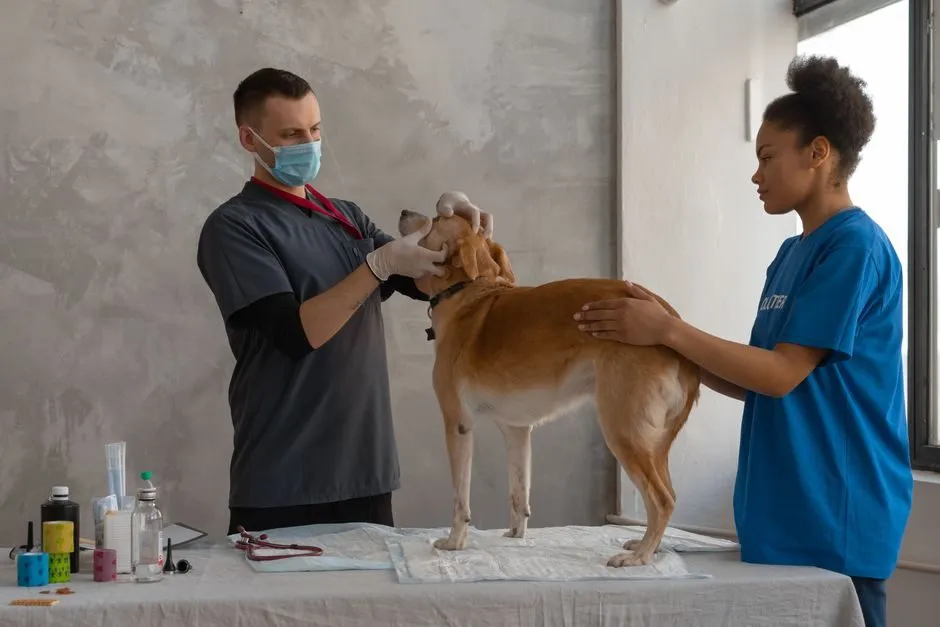
Before any surgical procedure, our veterinary team conducts a thorough pre-surgical assessment. This includes a physical exam, review of your pet’s medical history, and often pre-anesthetic bloodwork to evaluate organ function and minimize anesthesia risks. Diagnostic tools such as digital radiology or laboratory testing may be used to further assess your pet’s condition and plan the safest surgical approach.
Prior to surgery, your pet will typically need to fast for several hours to reduce anesthesia risks. Our team will provide clear instructions about when to withhold food and water, as well as any other specific preparations needed based on the procedure.
Anesthesia and Monitoring
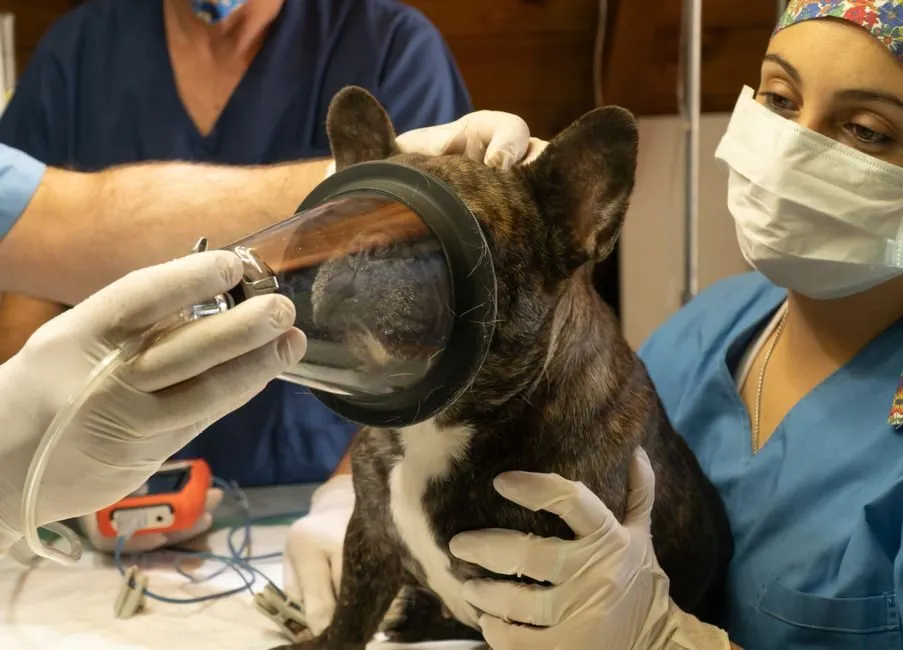
Ensuring your pet’s safety and comfort is our top priority. All surgeries at Four Corners Veterinary Clinic are performed under general anesthesia, administered and monitored by our experienced veterinary professionals. Throughout the procedure, your pet’s vital signs—such as heart rate, blood pressure, oxygen levels, and temperature—are closely tracked using advanced monitoring equipment. Pain management is provided before, during, and after surgery to minimize discomfort and support a smooth recovery. For more information about how pain is managed, visit our veterinary pain management services page.
The Surgical Procedure
The specifics of veterinary surgery for pets will vary depending on the condition being treated. For example, a spay or neuter involves removing reproductive organs to prevent future litters, while mass removal surgery targets abnormal growths that might be cancerous or uncomfortable. Orthopedic procedures such as ACL repair or FHO (femoral head ostectomy) are designed to restore mobility and relieve pain in pets with joint problems. Dental procedures may involve cleaning, extracting damaged teeth, or repairing oral injuries. Our veterinarians use sterile techniques and modern surgical equipment to carry out each operation with precision and care.
Recovery and Monitoring After Surgery
Once the procedure is complete, your pet is moved to a recovery area where veterinary professionals monitor them closely as the anesthesia wears off. Most pets are able to go home the same day for routine surgeries, while more complex cases may require a longer stay for observation. You will receive detailed instructions on caring for your pet at home, including information about pain medications, wound care, activity restrictions, and signs to watch for as your pet heals.
Home Care and Recovery After Veterinary Surgery
Helping your pet recover comfortably at home is a crucial part of the surgical process. After discharge, you may notice your pet is groggy or less active for the first day or two, which is normal. It is important to provide a quiet, cozy space for rest, keep them away from stairs or slippery floors, and prevent jumping or running until your veterinarian advises otherwise. Your pet may need to wear an Elizabethan collar (cone) to prevent licking or chewing at the incision site.
Follow your veterinarian’s instructions for administering medications and monitoring the surgical site for any signs of redness, swelling, discharge, or odor. Appetite may be reduced at first, but it should gradually return to normal. If your pet seems excessively painful, refuses to eat for more than 24 hours, or the incision appears abnormal, contact the clinic promptly.
Our team will schedule a follow-up visit to check healing progress and remove stitches if needed. Some surgical procedures, such as ACL repair or FHO, may require additional pain management support or rehabilitation exercises, which we will discuss with you during your post-operative appointments.
Preventive Care and Reducing the Need for Surgery
While some surgeries for pets are unavoidable, many can be prevented or delayed through proactive veterinary care. Keeping up with regular wellness exams allows your veterinarian to identify and address problems early before they require surgical intervention. Dental care, weight management, and timely vaccinations all play a role in reducing disease and injury risks. For example, spaying or neutering your pet not only helps control the pet population but also lowers the risk of certain cancers and reproductive issues. If you are considering preventive procedures, you can learn more about spay and neuter surgery and its benefits for dogs, cats, and pocket pets.
At home, providing your pet with a safe environment, proper nutrition, and regular exercise can help minimize accidents and chronic health problems. Be vigilant about changes in your pet’s behavior, appetite, or movement, and seek veterinary advice promptly when concerns arise.
When to Contact Your Veterinarian About Surgery
Knowing when to reach out for veterinary advice is key to keeping your pet healthy and comfortable. You should contact our veterinary team if your pet develops sudden lameness, swelling, persistent pain, difficulty eating, or any other unexplained change in health or behavior. If your veterinarian has recommended surgery, do not hesitate to ask questions about the procedure, recovery expectations, and how to prepare your home for your pet’s return.
In some cases, delaying a needed surgery can lead to complications or prolonged discomfort for your pet. Trust your instincts as a pet owner; if something seems off, our team at Four Corners Veterinary Clinic is here to provide guidance and support.
Compassionate Surgical Care for Pets in Eugene
Facing the possibility of veterinary surgery for pets can be overwhelming, but you do not have to navigate the process alone. At Four Corners Veterinary Clinic, our experienced veterinarians and support team are dedicated to ensuring your pet’s safety, comfort, and the best possible outcome. We offer a full range of surgical services for dogs, cats, and pocket pets, always prioritizing open communication and compassionate care.
If you are searching for a trusted “vet near me” in Eugene or the surrounding communities, we invite you to schedule an appointment with our team. Whether your pet needs routine surgery or a more complex procedure, we are committed to guiding you from the initial diagnosis through every step of treatment and recovery. For more information about our surgical options, visit our page on veterinary surgery services for pets or call us at (541) 688-5521. You can also find us at 2777 W 11th Ave, Eugene, OR 97402.
Your pet’s health and comfort are always our top priorities. Reach out today to discuss your concerns, ask questions, or schedule a surgical consultation. We look forward to being your partner in veterinary surgery for pets and all aspects of your companion’s care.